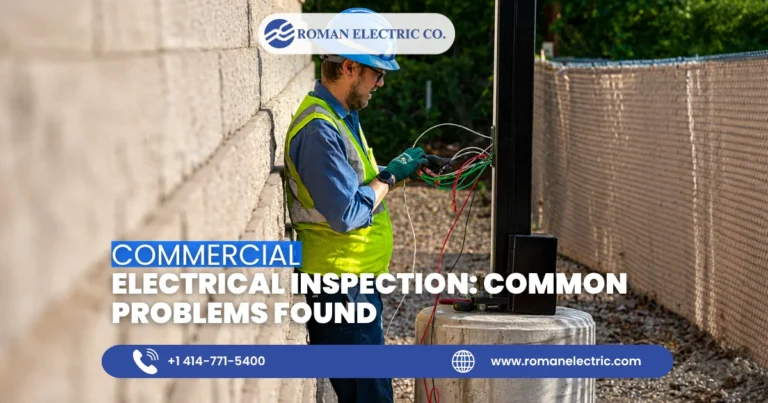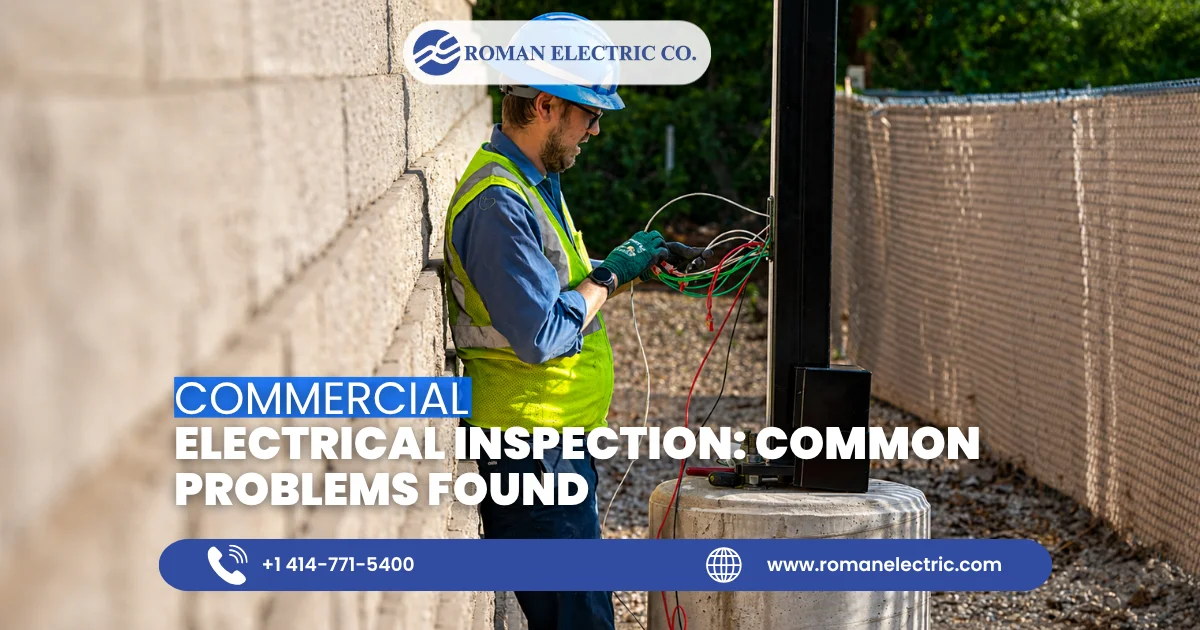
Commercial electrical inspections often uncover issues that aren’t visible during normal building use. Many electrical issues build up over time. This lets equipment keep working, even as hidden risks grow.
One common issue identified during inspections is overloaded circuits. When electrical demand is too high for a circuit or component, it can lead to excessive heat. This can lower equipment reliability and raise the risk of electrical failure.
Aging electrical components are another frequent concern in commercial facilities. Older panels, old wiring, bad connections, and worn-out equipment might not be safe or reliable for today’s business needs.
Electrical connections can also become problematic over time. Loose connections can cause resistance. This creates heat. If not managed, it can harm equipment or lead to unexpected system failures.
Poor grounding is another important concern during a commercial electrical system inspection. A working grounding system protects people and equipment. It does this by giving electrical faults a safe path to follow.
Inspectors can find issues from faulty electrical changes or modifications made during facility expansions. Adding new equipment or technology without checking electrical capacity can stress existing infrastructure.
How Often Should Commercial Buildings Receive Electrical Inspections?
The frequency of commercial electrical inspections depends on a few factors. These factors include the building’s age, the complexity of the electrical system, industry rules, and operating conditions. A factory with heavy machinery might need a different inspection method compared to a small office.
Facilities with high electrical demand should have regular evaluations. This is important since equipment runs continuously and electrical loads can change. Industrial buildings, healthcare facilities, and production sites need close monitoring. This is because electrical reliability impacts daily operations.
Older commercial buildings need careful checks. Their electrical systems may wear out after years of use. Past renovations, equipment upgrades, or changes in how the building is used might need a professional evaluation.
Businesses should also consider inspections when planning major changes to their facilities. Adding new machinery, expanding operations, renovating spaces, or upgrading technology can impact current electrical capacity and safety needs.
A professional electrical contractor can help businesses choose the right inspection method. They look at the current system and the business’s operational needs. The goal is to identify potential concerns before they create safety risks or unexpected disruptions.
Benefits of Professional Commercial Electrical Inspection Services
Professional commercial electrical inspection services help businesses understand their electrical systems better. This support aids in making informed maintenance decisions. Businesses get a deeper look at system health and potential risks, not just the visible problems.
One major benefit is improved safety awareness. Electrical inspections spot hazards like damaged parts, overloaded systems, and risky conditions.
Inspections also support better maintenance planning. Facility managers can prioritise repairs and upgrades by understanding the state of electrical equipment. This way, they don’t just react to failures.
Reliable electrical systems also contribute to business continuity. For companies using machinery, technology, lighting, or special equipment, unexpected electrical problems can cause disruptions. These problems can affect operations.
Another benefit is protecting long-term equipment performance. Electrical problems can affect connected systems and equipment throughout a facility. Identifying issues early can help businesses reduce unnecessary strain on their electrical infrastructure.
Professional inspections also provide valuable documentation. Maintenance records, inspection findings, and recommendations help businesses monitor their electrical systems. This way, they can make smarter choices about upgrades or repairs.
What Should Businesses Look For in a Commercial Electrical Inspection Contractor?
Choosing the right electrical contractor is crucial. The quality of inspections depends on technical knowledge, experience, and understanding of commercial settings. Businesses should seek professionals who grasp the complexities of commercial electrical systems, not just residential ones.
Experience with commercial facilities is important. Office buildings, warehouses, manufacturing plants, and healthcare facilities all have different electrical needs. A contractor who knows commercial systems can better assess operational needs and spot possible issues.
Licensing and qualifications should also be considered when selecting an inspection provider. Skilled electricians with the right qualifications show their expertise. They can assess electrical systems based on safety standards.
Businesses should also consider whether the contractor understands the larger building environment. Electrical systems often link to other key building systems. These include data infrastructure, security systems, and facility operations.
A good inspection partner should spot issues and help businesses see their options. Clear explanations, practical tips, and professional communication help facility managers make confident choices.
Why Milwaukee Businesses Trust Roman Electric for Commercial Electrical Services
Roman Electric Co., Inc. has supported businesses throughout Southeastern Wisconsin since 1929. The company has over 95 years of experience in commercial electrical and plumbing work. This gives it valuable knowledge for managing complex systems in commercial buildings.
Commercial facilities require more than basic electrical repairs. They need a partner who understands how electrical systems aid daily operations, ensure safety, and support future business goals.
Roman Electric offers commercial electrical solutions. They are supported by licensed Master Electricians, licensed Journeymen Electricians, and certified Master Plumbers. This mix of skills lets businesses partner with a single trusted contractor for all their commercial building needs.
The company doesn’t just offer electrical services. It also provides plumbing, data, and security solutions. An experienced provider can help businesses with complex facilities. They simplify coordination and improve project efficiency.
For commercial property owners, facility managers, and contractors in Milwaukee and nearby Southeastern Wisconsin, professional electrical support makes buildings safer and more reliable.
Final Thoughts: Protecting Your Commercial Electrical System
A commercial electrical inspection isn’t just a routine check. It provides businesses with important information about safety, reliability, and future maintenance needs.
Electrical issues often develop before they become visible failures. Regular professional assessments help businesses spot issues early. This reduces operational risks and supports informed decisions on repairs and improvements.
For organizations that need reliable electrical systems, working with an experienced commercial electrical contractor helps ensure qualified professionals assess their facilities.
Roman Electric Co., Inc. combines nearly a century of experience with extensive knowledge in commercial building systems. Businesses looking for reliable electrical inspection support can contact Roman Electric for professional guidance and commercial electrical services backed by decades of experience.
Common Questions About Commercial Electrical Inspections
What Does a Commercial Electrical Inspection Include?
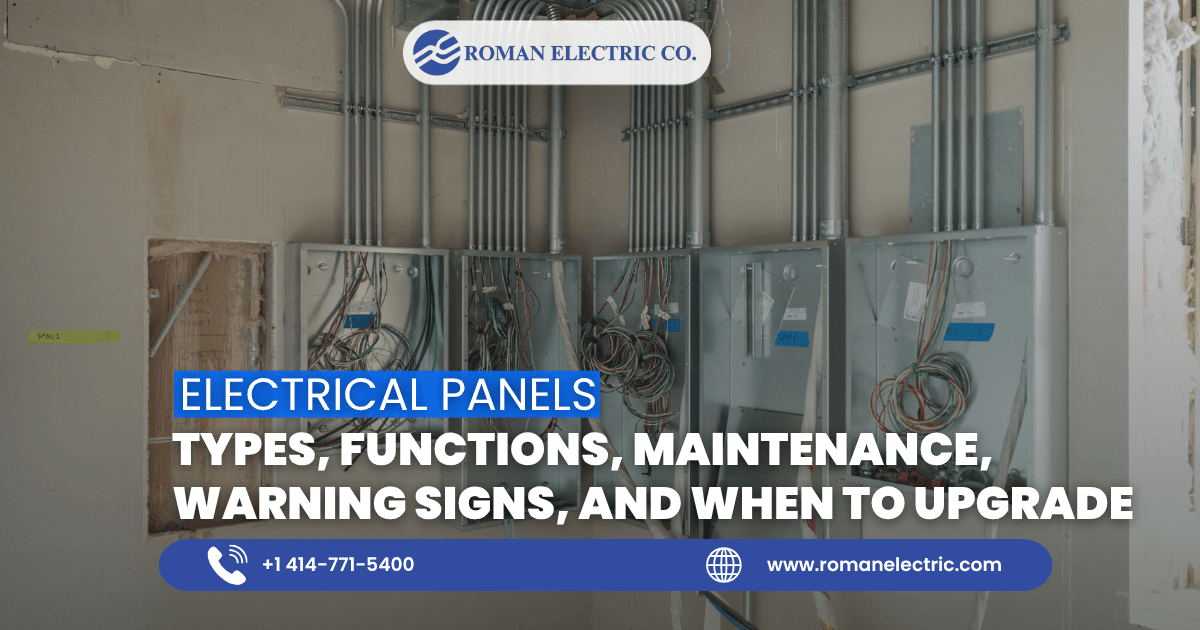
A commercial electrical inspection looks at the condition, safety, and performance of a building’s electrical systems. The inspection may include electrical panels, circuit breakers, wiring systems, grounding systems, power distribution equipment, lighting systems, emergency power systems, and other components that support facility operations.
The exact scope varies based on the building type, how complex the electrical system is, the equipment needed, and the inspection’s purpose. A factory with special machines needs a different evaluation than a retail store or an office.
Why does a commercial building need an electrical inspection?
Commercial buildings need electrical inspections. These checks find safety concerns, maintenance issues, and system weaknesses. Catching these problems early helps prevent unexpected failures. Electrical problems can affect employee safety, equipment performance, and business operations.
A professional inspection helps facility managers see how their electrical systems are doing. This information helps businesses make informed decisions about repairs, upgrades, and preventive maintenance.
How often should someone perform a commercial electrical inspection?
There is no single inspection schedule that applies to every commercial building. The right frequency depends on several factors. These factors are the building’s age, the state of the electrical system, industry needs, equipment use, and operational demands.
Facilities with complex electrical systems or critical operations may require more frequent evaluations. A qualified electrical contractor can help choose an inspection plan that fits the facility’s needs.
What are common warning signs that a commercial electrical system needs inspection?
Warning signs may include frequent breaker trips, unusual equipment behavior, flickering lights, overheating components, burning odors, outdated electrical equipment, or unexplained power interruptions.
However, electrical problems are not always obvious before failure occurs. Regular professional inspections can find hidden issues that normal building operations might miss.
What do inspectors check during a commercial electrical safety inspection?
A commercial electrical safety inspection checks the state of electrical parts. It also looks for possible safety issues. This involves checking panels, breakers, wiring, grounding systems, power distribution gear, and emergency electrical systems.
The inspection may cover electrical testing, thermal imaging, safety checks, and reviewing maintenance documents. This will depend on what the facility needs.
Can electrical inspections help prevent business downtime?
Electrical inspections can help businesses identify conditions that may contribute to unexpected failures. By spotting issues early, companies can plan maintenance better.
For businesses that rely on constant power, preventive checks can boost reliability. They also help reduce disruptions from unexpected electrical issues.